Causes of Shingles Reactivation
Herpes Zoster, commonly known as shingles, is caused by the reactivation of the varicella-zoster virus (VZV), the same virus that causes chickenpox. After an initial infection, VZV lies dormant in nerve tissues near the spinal cord and brain. Years or even decades later, the virus can reactivate, leading to the development of shingles. This reactivation is often triggered by factors that weaken the immune system, making it less effective at keeping the dormant virus in check.
Several factors can contribute to the reactivation of VZV. Advancing age is a primary risk factor, as immune function naturally declines with time. Significant stress, whether physical or emotional, can also compromise the immune system's ability to suppress the virus. Certain medical conditions that impair immunity, such as HIV/AIDS or cancer, or treatments like chemotherapy and immunosuppressant medications, further increase the likelihood of shingles developing. Understanding these triggers is crucial for both prevention and early intervention.
Symptoms of Herpes Zoster
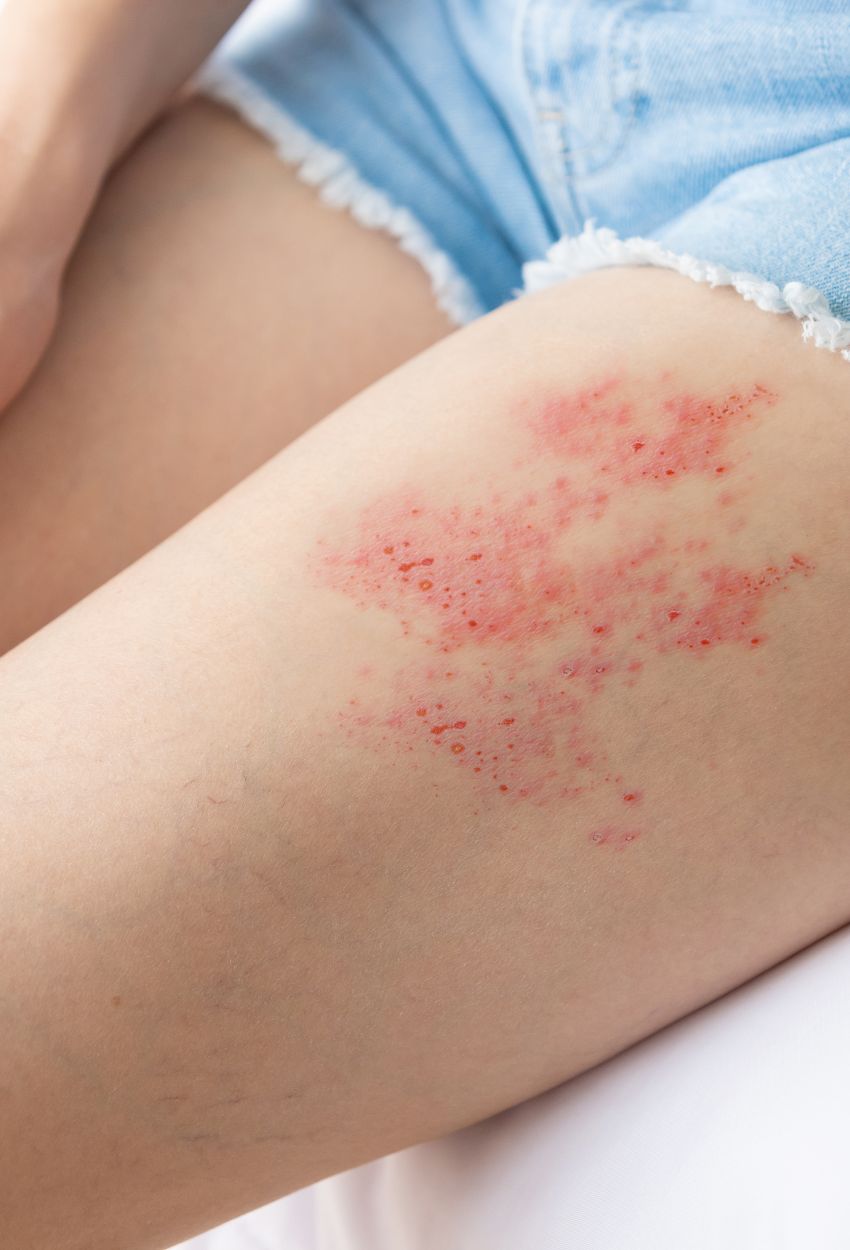
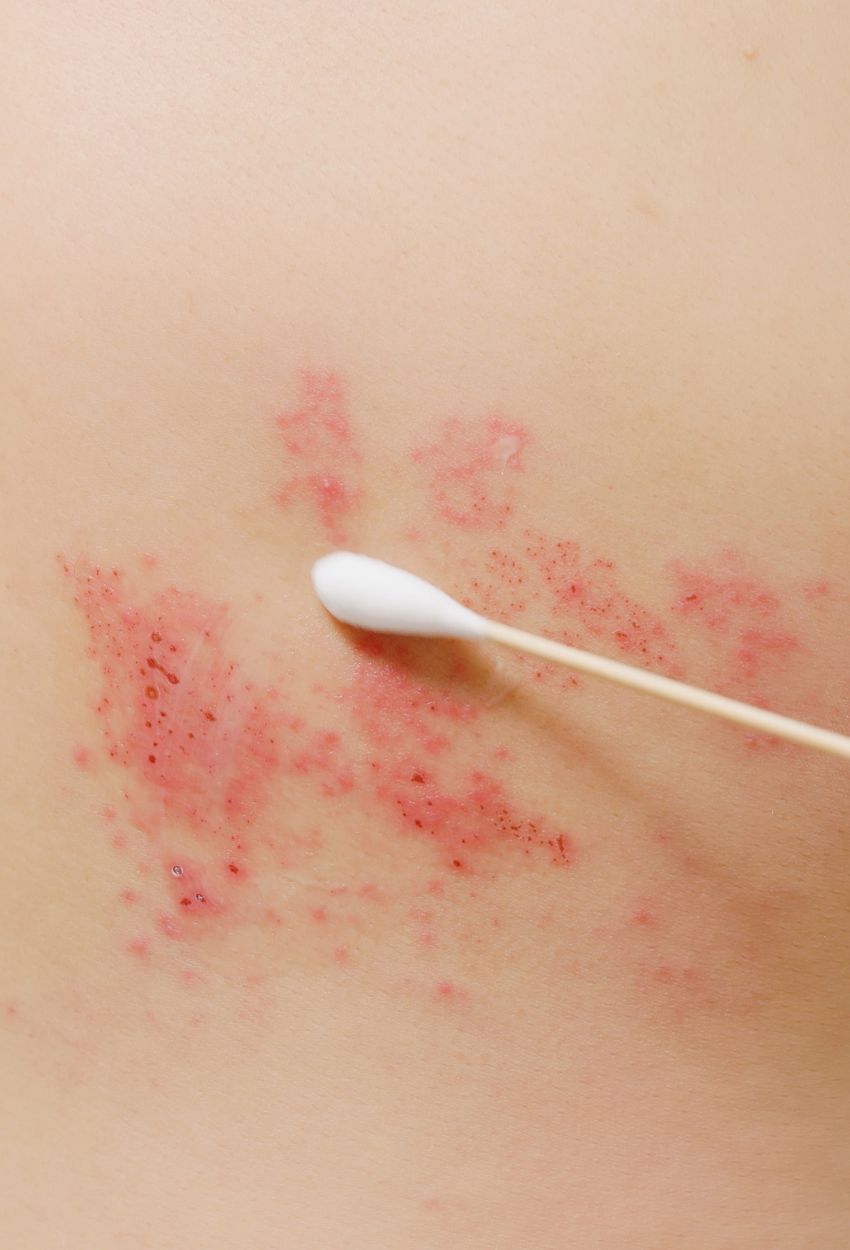
The onset of Herpes Zoster, or shingles, is typically marked by a prodromal phase characterized by localized pain, burning, or tingling sensations in a specific area of the body, often on one side of the torso or face. This discomfort can precede the appearance of the rash by several days. Following this initial sensitivity, a characteristic red rash emerges, which then progresses to form fluid-filled blisters.
These blisters usually appear in a band-like pattern along a dermatome, which is the area of skin supplied by a single spinal nerve. The blisters eventually break, ooze, and then scab over within one to two weeks. Other symptoms can include itching, fever, headache, fatigue, and sensitivity to touch in the affected area. While the rash is the most visible sign, the nerve pain associated with shingles can be severe and persistent, even after the skin lesions have healed.
Preventing Shingles
Preventing shingles primarily involves vaccination and maintaining a strong immune system. The shingles vaccine is highly effective in reducing the risk of developing the condition and can also lessen the severity of symptoms and the likelihood of complications like postherpetic neuralgia if a breakthrough infection does occur. It is recommended for adults aged 50 and older, as well as for younger individuals with weakened immune systems.
Beyond vaccination, general health practices that support immune function can play a role in reducing the risk of shingles reactivation. This includes managing stress through relaxation techniques, maintaining a healthy diet rich in nutrients, getting adequate sleep, and engaging in regular physical activity. Avoiding close contact with individuals who have active shingles is also important, especially for those who are not immune to chickenpox.
Complications of Shingles
While shingles typically resolves within a few weeks, it can lead to several complications, the most common and persistent of which is postherpetic neuralgia (PHN). PHN is a chronic nerve pain condition that can linger for months or even years after the shingles rash has disappeared. The severity of PHN can vary, impacting a person's quality of life significantly due to constant burning, stabbing, or aching pain in the affected area.
Other potential complications of shingles include vision problems if the virus affects the eye (ophthalmic zoster), leading to vision loss or blindness. Neurological issues such as facial paralysis, hearing problems, or balance difficulties can also occur. In rare instances, shingles can lead to bacterial skin infections, encephalitis (inflammation of the brain), or myelitis (inflammation of the spinal cord), underscoring the importance of prompt diagnosis and treatment to mitigate these risks.