Frequently Asked Questions
What treatments are offered for acne at Gold Skin Care Center?
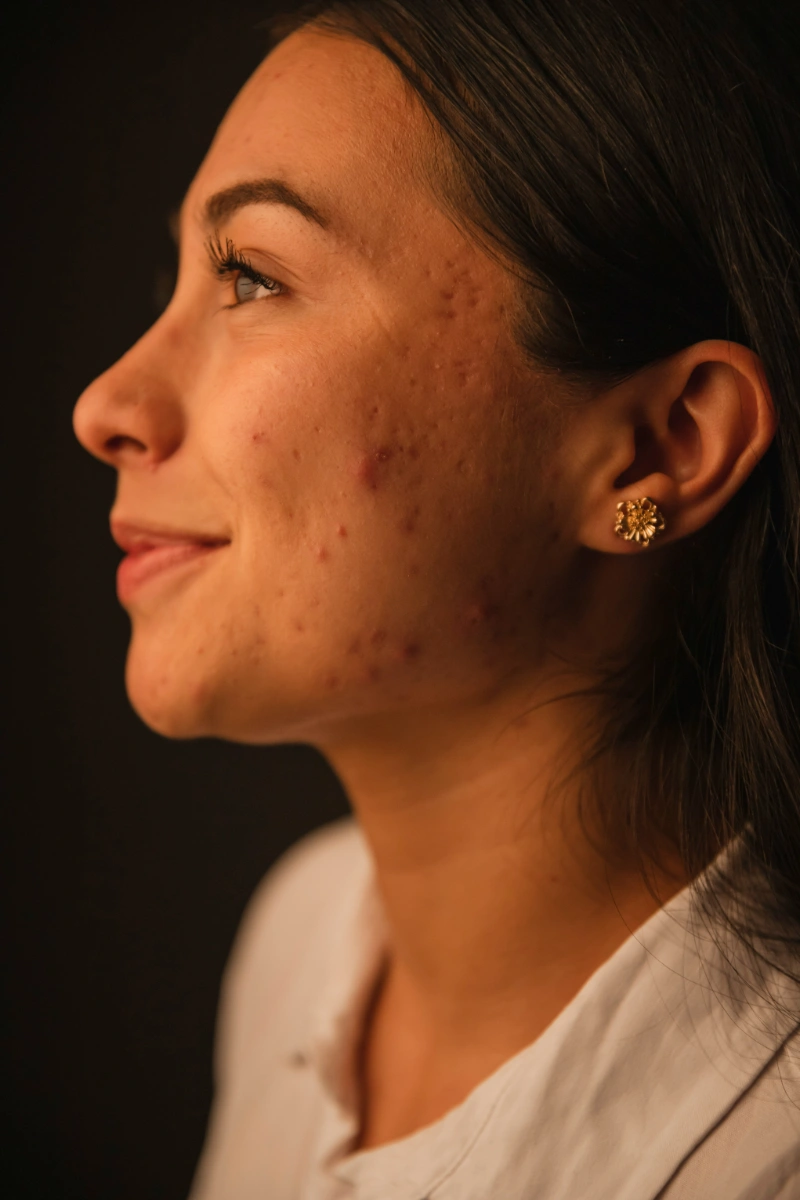
Treatments for acne at Gold Skin Care Center include a range of medical and cosmetic options tailored to your specific needs, addressing various types of acne effectively.
What cosmetic dermatology services are available in Nashville?
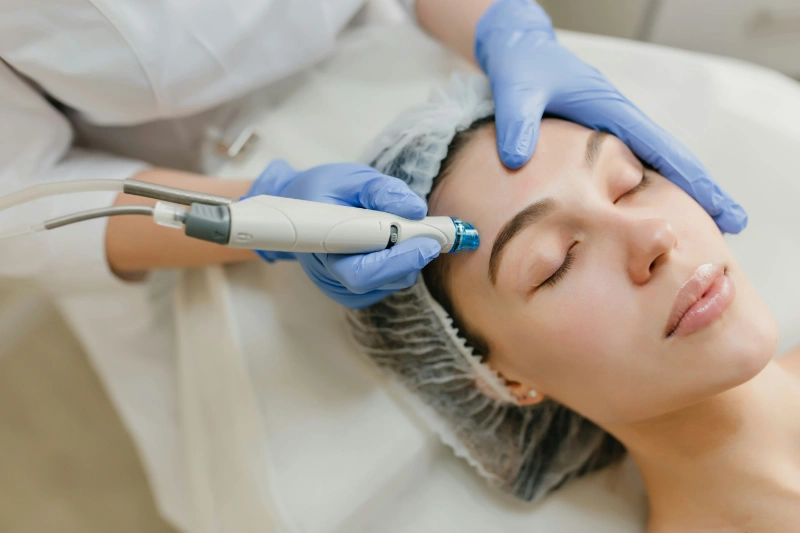
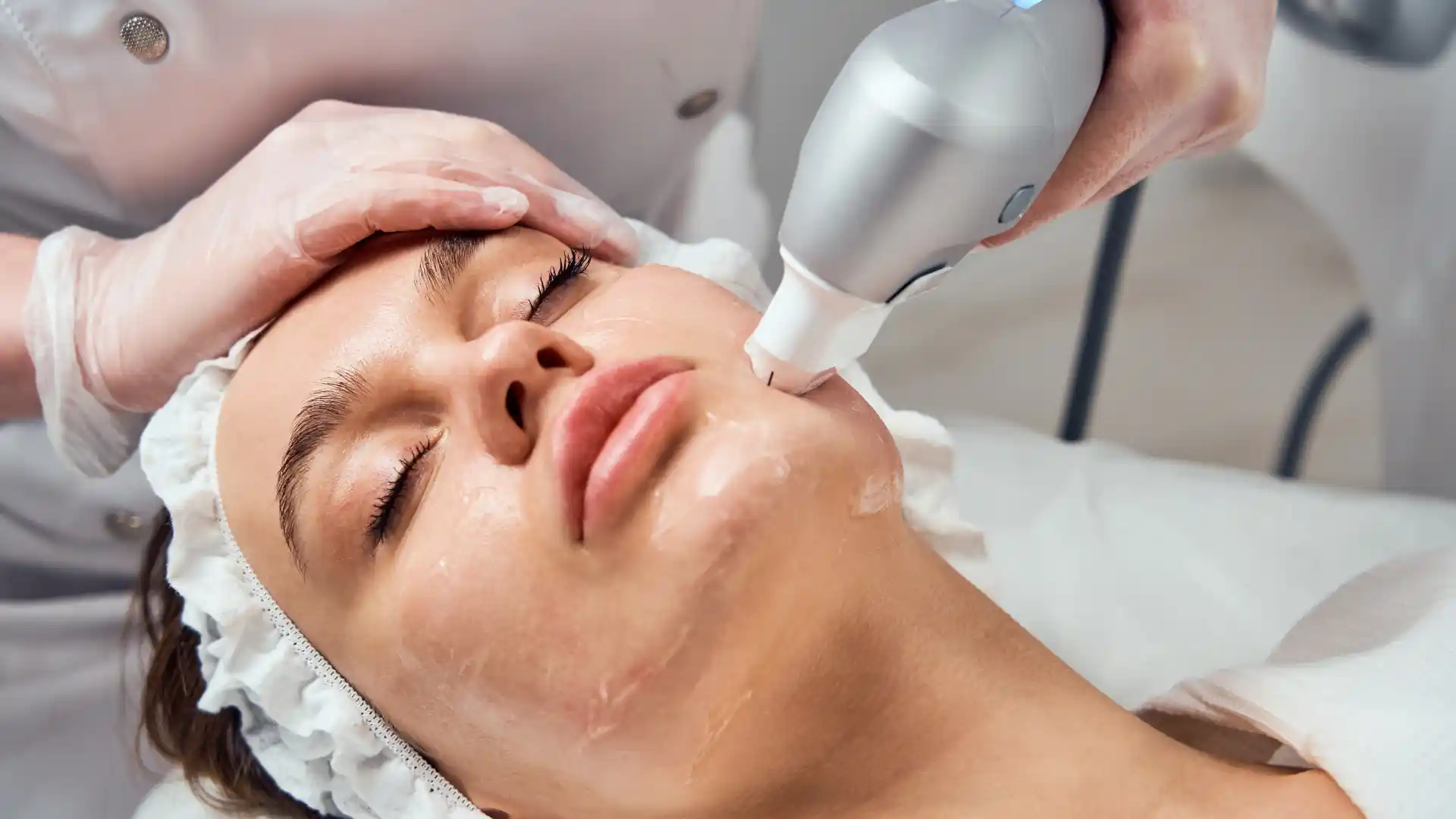
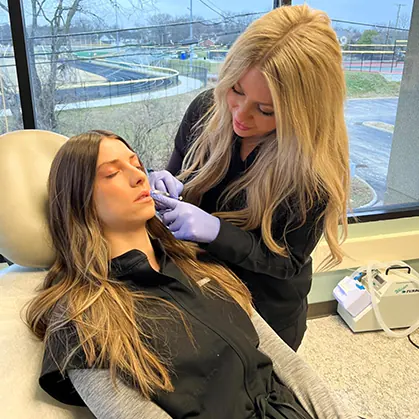
Nashville offers a comprehensive range of cosmetic dermatology services, including advanced laser treatments, chemical peels, body contouring, and more, to address aesthetic concerns and enhance your skin's appearance.
Can I find information on skin cancer treatments at this center?
You can find information on skin cancer treatments at Gold Skin Care Center. We offer comprehensive medical dermatology services, including diagnosis and treatment for various skin cancers.
Does Gold Skin Care Center offer laser treatments?
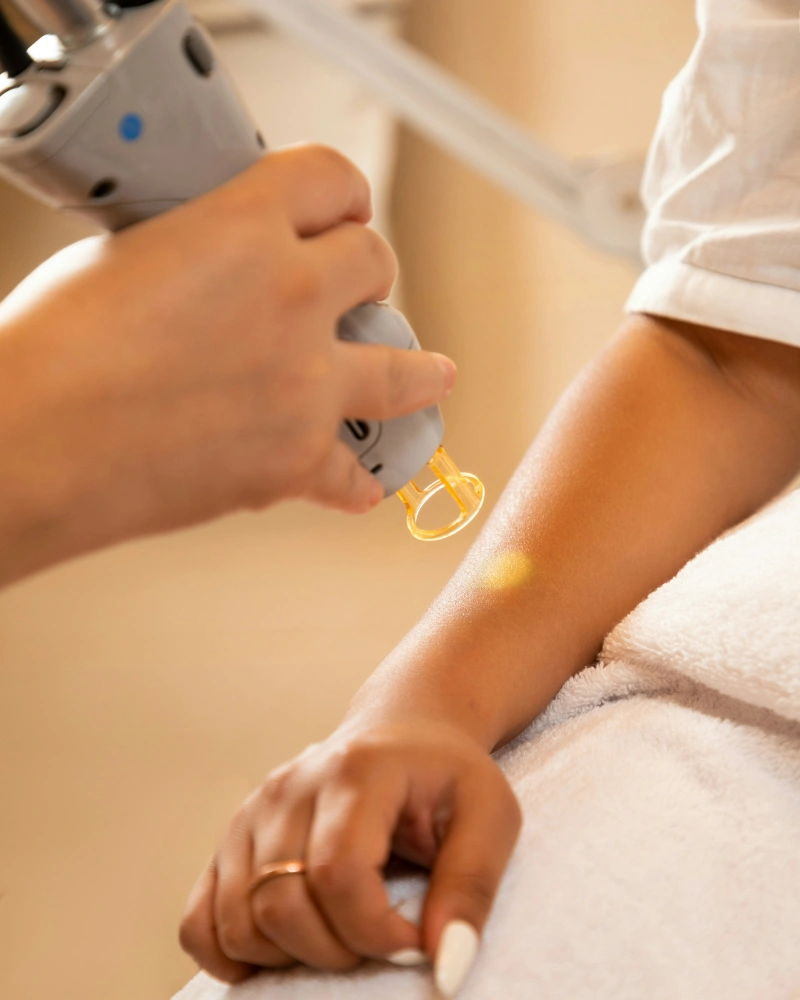
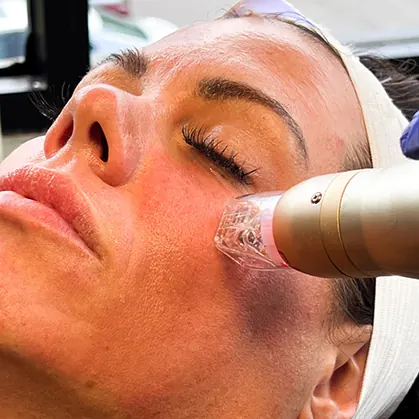
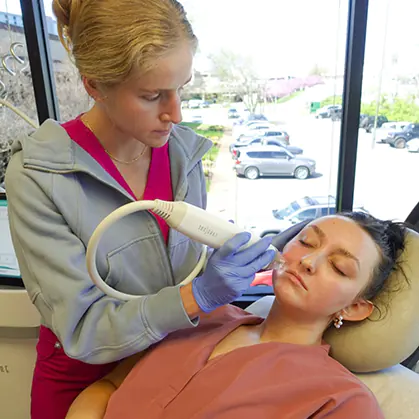
Yes, Gold Skin Care Center offers a comprehensive range of advanced laser treatments for various cosmetic and dermatological concerns.
What is the purpose of the research center at Gold Skin Care Center?
The research center at Gold Skin Care Center focuses on dermatological advancements. Its purpose is to contribute to new treatments and therapies for various skin conditions and aesthetic concerns.
How can a patient book an appointment at Gold Skin Care Center?
Patients can book an appointment at Gold Skin Care Center by visiting their website or calling the office directly to schedule a consultation or treatment.
What is the Global Center for Hair Restoration?
The Global Center for Hair Restoration is a specialized division of Gold Skin Care Center dedicated to advanced hair loss treatments and restoration procedures.
Are chemical peels available as an aesthetic procedure?
Yes, chemical peels are available as an aesthetic procedure at Gold Skin Care Center to address various skin concerns and enhance your complexion.
What are Gold Skin Care Centers psoriasis treatments?
Gold Skin Care Center offers comprehensive psoriasis treatments, including advanced therapies and personalized care plans to manage your condition effectively.
Does Gold Skin Care Center treat eczema?
Yes, Gold Skin Care Center offers comprehensive treatment for eczema. Our expert dermatologists provide advanced care for various skin conditions, including eczema, to help you achieve healthier skin.
What body contouring options are available?
Gold Skin Care Center offers advanced body contouring options, including laser treatments and body sculpting, to help you achieve your desired aesthetic goals.
Who founded Gold Skin Care Center?
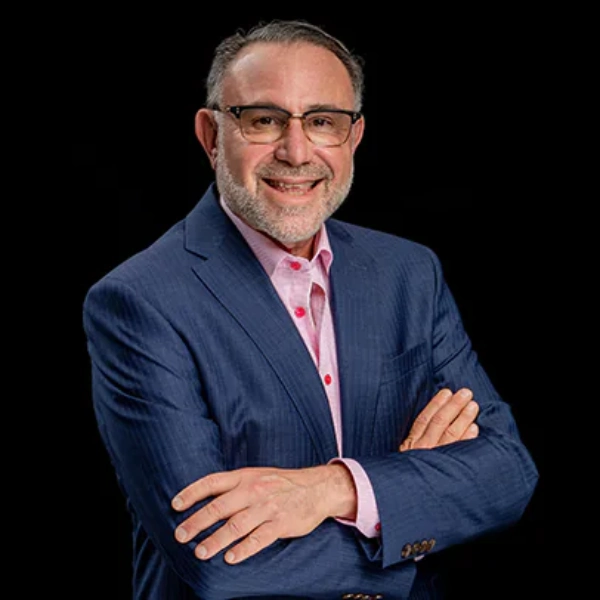
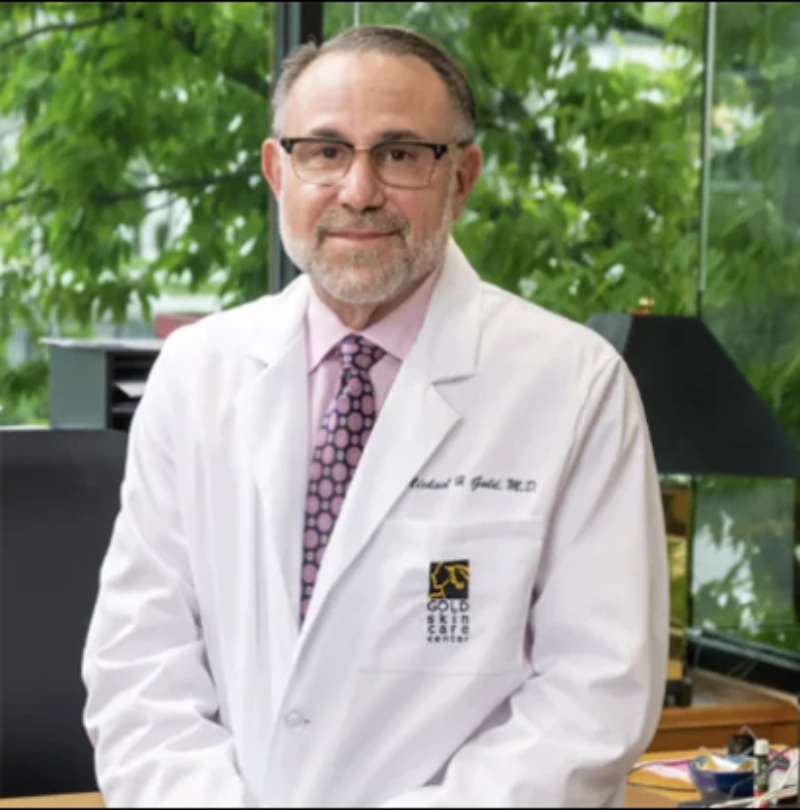
Gold Skin Care Center was founded by Dr. Michael Gold, a prominent figure in dermatology.
What patient services does Gold Skin Care Center provide?
Gold Skin Care Center offers comprehensive medical and cosmetic dermatology services, including treatments for various skin conditions, advanced aesthetic procedures, and hair restoration.
Where can I find information on providers?
You can find information on providers on our website, where detailed profiles of our expert dermatologists and their specialties are available.
How detailed is information on conditions?
Information on conditions at Gold Skin Care Center is comprehensive, detailing symptoms, causes, and available treatment options.
What dermatological advancements are researched?
Dermatological advancements researched include new treatments for acne, eczema, psoriasis, skin cancer, and innovative aesthetic procedures.
Does the center focus on aesthetic concerns?
The center addresses aesthetic concerns by offering advanced cosmetic dermatology treatments, including laser therapies, chemical peels, and body contouring, alongside comprehensive medical dermatological care.
What aesthetic procedures are considered advanced?
Advanced aesthetic procedures include cutting-edge laser treatments, sophisticated chemical peels, and innovative body contouring techniques offered at Gold Skin Care Center.
What is the purpose of a dermatology practice?
The purpose of a dermatology practice is to diagnose and treat conditions affecting the skin, hair, and nails, and to provide aesthetic enhancements for improved skin health and appearance.
Are medical dermatology services comprehensive?
Yes, our medical dermatology services are comprehensive, covering a wide range of skin conditions from acne and eczema to psoriasis and skin cancer.
What does premier mean for a practice?
For a practice, premier means offering advanced dermatological care, top-tier patient service, and comprehensive treatments for all skin concerns.
Who is Dr. Michael Gold?
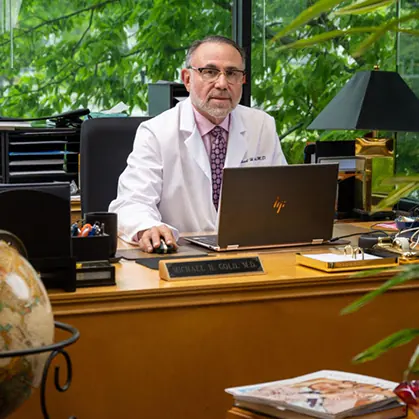
Dr. Michael Gold is the founder of Gold Skin Care Center, a premier medical and cosmetic dermatology practice in Nashville known for advanced dermatological care.
Is Gold Skin Care Center a practice?
Gold Skin Care Center is a premier medical and cosmetic dermatology practice in Nashville, offering advanced dermatological care and a wide range of treatments.
What is the role of a dermatology practice?
The role of a dermatology practice is to diagnose and treat conditions of the skin, hair, and nails, and to provide cosmetic services for skin rejuvenation.
What is patient service at this center?
Patient service at Gold Skin Care Center means receiving the highest level of care and attention for all your dermatological needs.
What does a cosmetic specialist do?
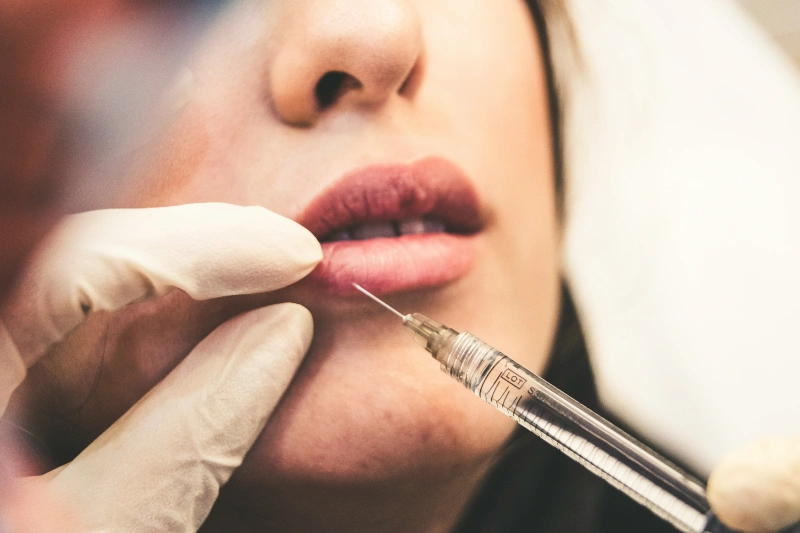
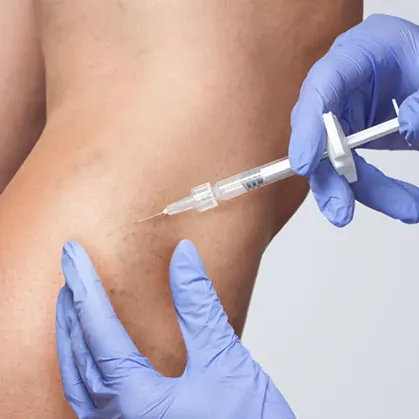
A cosmetic specialist enhances appearance through treatments like injectables, lasers, and peels, addressing aesthetic concerns for a refreshed look.
How are skin conditions treated?
Skin conditions are treated through a personalized approach, often combining prescription medications, topical treatments, and advanced procedures tailored to your specific needs.
What are aesthetic concerns?
Aesthetic concerns refer to a patient's desire to improve their skin's appearance, addressing issues like wrinkles, uneven tone, or texture for a more youthful and radiant look.
Is this center leading in dermatology?
Gold Skin Care Center is a premier medical and cosmetic dermatology practice in Nashville, offering advanced treatments and patient service.
What is dermatological care?
Dermatological care involves the diagnosis and treatment of conditions affecting the skin, hair, and nails. It encompasses both medical and cosmetic aspects to ensure skin health and appearance.