
Causes and Treatments of Hyperpigmentation: From Melasma to Sunspots Explained and Addressed
Hyperpigmentation, characterized by darkened patches on the skin, often arises from various factors, primarily melasma and sunspots. In this article, we delve into the underlying causes of these skin conditions, the mechanisms that drive their formation, and explore effective treatment options available to those affected. Readers will gain insights into the role of UV exposure, hormonal changes, and genetic predisposition in the development of hyperpigmentation. Furthermore, we’ll discuss how personalized dermatological care, including advanced treatments, can mitigate these conditions, promoting healthy, even-toned skin.
In the following sections, we will cover the causes of hyperpigmentation, explore various treatment options, and detail how lifestyle factors influence the severity of these skin disorders.
Causes:
Hyperpigmentation occurs when excess melanin, the pigment responsible for skin color, is produced. This increased melanin can be triggered by several factors, including hormonal fluctuations, sun exposure, and hereditary predispositions.
Melasma
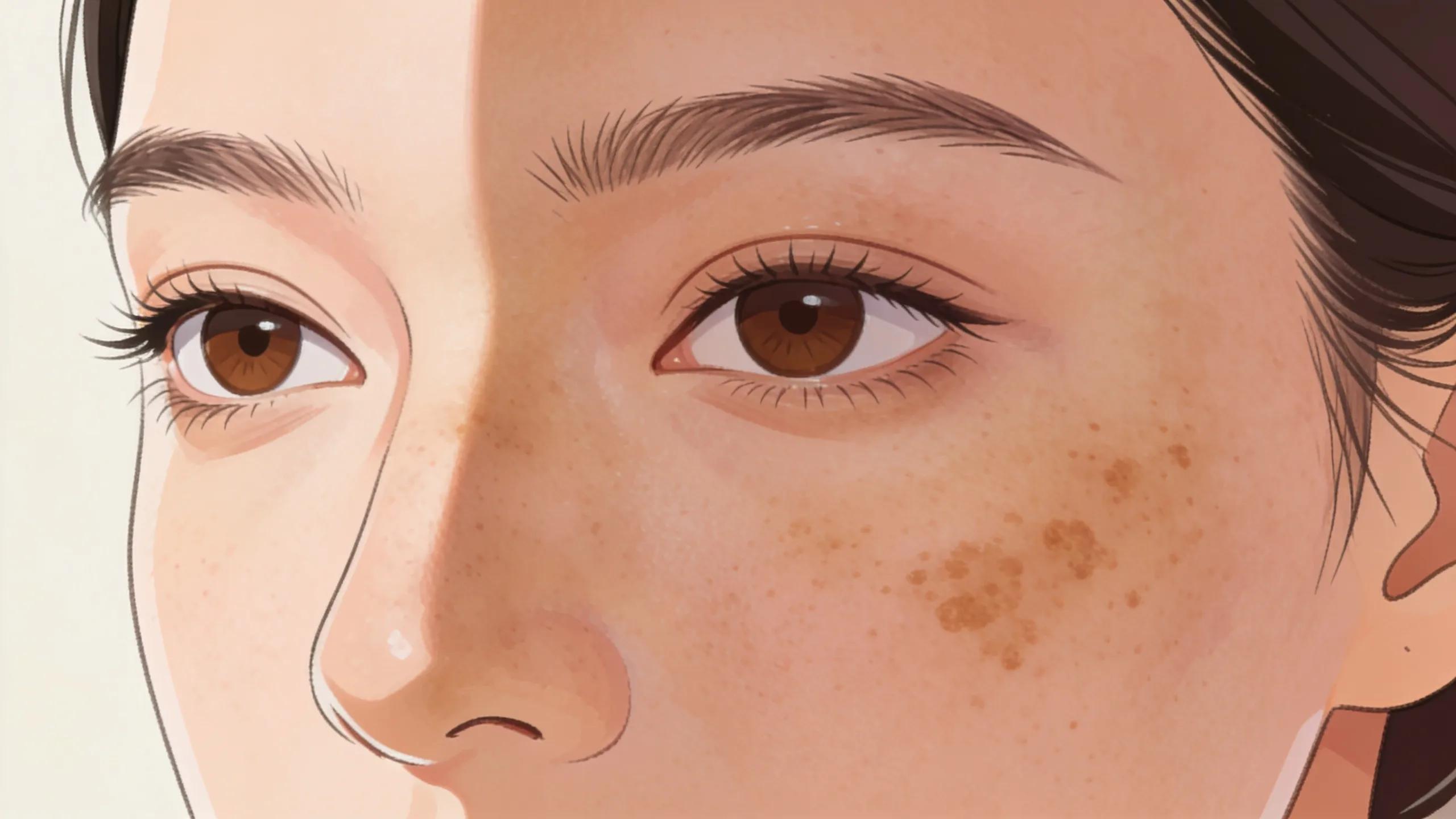
Melasma is a skin condition that predominantly affects women and manifests as brown or gray-brown patches, often on the face. It is most commonly triggered by hormonal changes due to pregnancy, birth control pills, or hormone replacement therapy. Sun exposure further exacerbates melasma, activating pigment-producing cells in the skin. Statistically, melasma affects approximately 10% of the population, with a higher incidence in women of reproductive age.
Understanding the causes of melasma can help individuals adopt preventative measures and seek appropriate treatments.
Sun/Age Spots
Sun or age spots, also known as solar lentigines, are small, darkened areas that appear on areas of the skin overexposed to the sun, particularly as people age. Prolonged UV exposure stimulates melanin production, resulting in these benign spots that commonly develop on the face, hands, and arms. It’s crucial to note that the likelihood of developing age spots increases with age, making sun protection essential for prevention.
Recognizing the connection between sun damage and age spots can aid individuals in seeking effective treatment options, including topical agents and dermatological procedures.
Treatment Options:
Addressing hyperpigmentation involves a multi-faceted approach that focuses on prevention and treatment tailored to individual needs.
Daily Sun Protection
Effective treatment for hyperpigmentation begins with daily sun protection. Using broad-spectrum sunscreens with a minimum SPF of 30 can significantly reduce UV exposure, decreasing the risk of new spots forming and existing ones darkening. It is essential to reapply sunscreen every two hours, especially after swimming or sweating.
In addition to sunscreen, wearing protective clothing and seeking shade during peak sun hours (10 AM to 4 PM) are proactive strategies to mitigate skin damage.
Avoiding UV Exposure
In conjunction with the use of sunscreen, minimizing sun exposure is vital for managing hyperpigmentation. Staying indoors during peak sunlight hours and utilizing hats and sunglasses can provide added layers of protection.
Additionally, individuals with a history of hyperpigmentation should consider self-tanners or bronzers as alternatives to sunbathing, allowing them to achieve a desired glow without increasing their skin's pigmentation.
Skincare Products
The integration of specific skincare products can play a significant role in managing hyperpigmentation. Ingredients such as hydroquinone, glycolic acid, and vitamin C are known for their brightening properties. Regular use of these products can help diminish the appearance of darker patches and promote an even skin tone.
However, it is vital to consult with a dermatologist to determine the most appropriate products based on skin type and condition severity.
Hydration
Maintaining adequate skin hydration can aid in the healing process and prevent further pigmentation issues. Using a nourishing moisturizer that suits one’s skin type can create a barrier that helps to retain moisture and improves overall skin texture.
Incorporating hydrating serums containing hyaluronic acid or ceramides can also encourage cell turnover and assist in fading hyperpigmentation more effectively.
Advanced Treatments
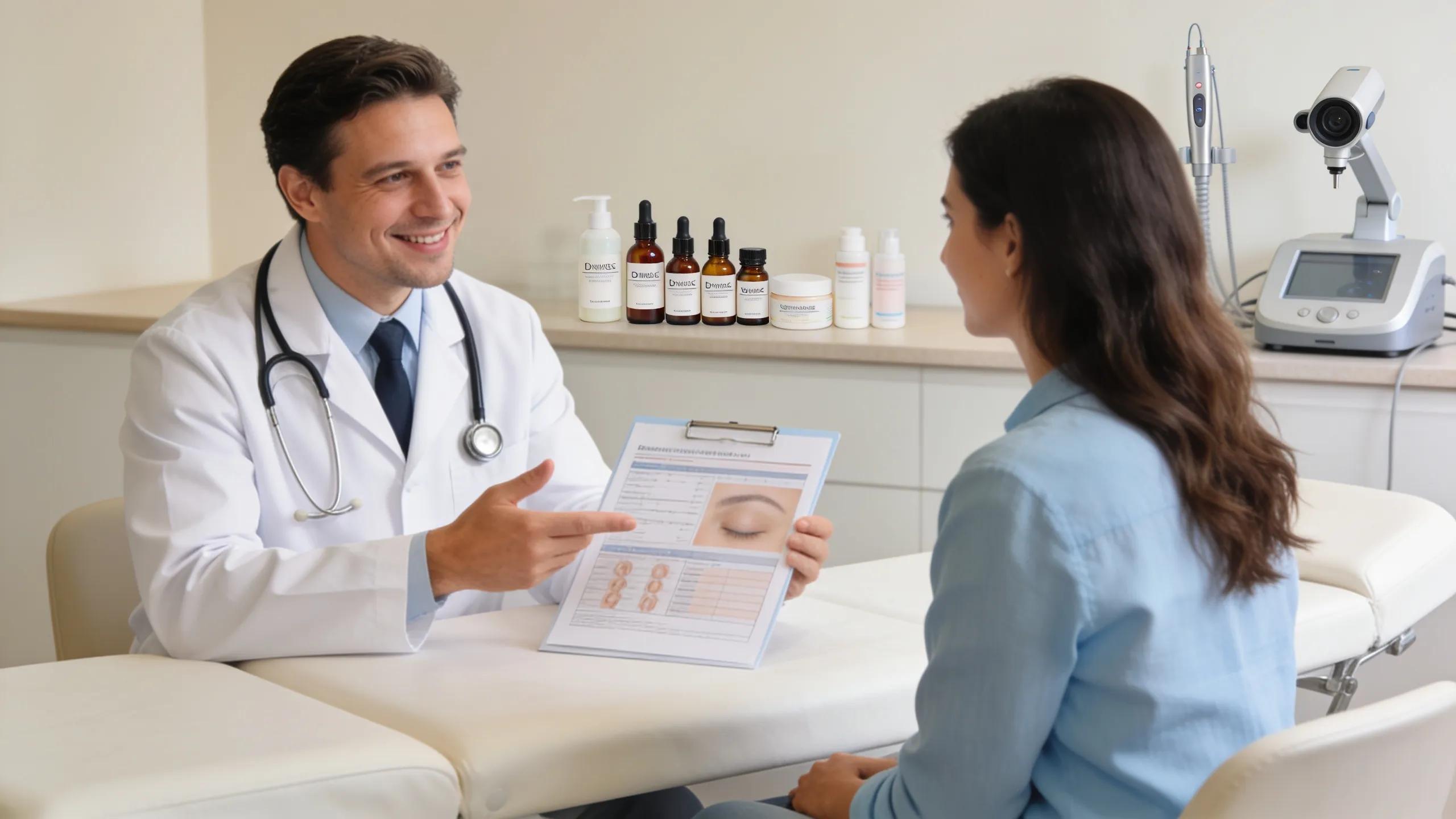
For individuals seeking more rapid results or those with stubborn hyperpigmentation, advanced treatments may be necessary. Options like chemical peels, laser therapy, and microdermabrasion can provide more targeted interventions for dyschromia.
- Chemical Peels: These treatments remove the top layer of skin, helping to fade pigmentation and smooth skin texture.
- Laser Therapy: This method uses concentrated light to target pigmented areas, leading to significant improvement in skin tone.
- Microdermabrasion: This non-invasive treatment exfoliates the skin, removing dead skin cells and stimulating collagen production, thereby improving the appearance of dark spots.
The effectiveness of these treatments can vary based on individual skin types and conditions, thus personalized care from a skilled practitioner is pivotal.
For those in Nashville looking to improve their skin health, services at Gold Skin Care Center specialize in addressing hyperpigmentation through tailored treatment plans.
What Are the Key Causes of Dark Spots and Hyperpigmentation on Skin?
Dark spots and hyperpigmentation primarily arise from excess melanin production triggered by various factors. Hormonal fluctuations associated with pregnancy or birth control can lead to melasma, while prolonged UV exposure frequently induces age spots. Genetic predisposition also plays a crucial role, as some individuals have a higher likelihood of developing pigmentation issues based on their family history.
What Role Does UV Exposure Play in the Development of Sunspots?
UV exposure acts as a catalyst for increased melanin production in the skin. Over time, as the skin is repeatedly exposed to UV rays, the cells responsible for pigment production, known as melanocytes, become overactive. This leads to the formation of sunspots, which can become more pronounced with age and cumulative sun exposure. Limiting UV exposure and utilizing protective measures are essential for preventing further skin damage and darkening of existing spots.
Which Effective Treatments Are Available for Melasma and Sunspots Near Me?
Individuals dealing with melasma and sunspots have access to a variety of effective treatment options. From topical prescription treatments to aesthetic dermatological procedures, personalized care is crucial for achieving optimal results. Consultation with a dermatologist can provide individuals with tailored options suited to their unique skin concerns, including chemical peels, laser treatments, and effective skincare routines.
What Results Can Patients Expect from Personalized Dermatological Care?
Patients can typically expect reduced pigmentation and brighter skin tone from personalized dermatological care. Treatments are designed to address specific skin issues effectively, combining various approaches for comprehensive results. Consistent follow-up and adjustments to treatment plans can enhance efficacy, leading to significant improvements over time.
What Are the Best Hyperpigmentation Creams and Topical Solutions?
When seeking solutions for hyperpigmentation, several topical products have established effectiveness. Hydroquinone, which lightens dark areas, and topical retinoids that promote cell turnover are among the most commonly recommended options.
How to Choose the Most Suitable Hyperpigmentation Cream for Your Skin Type?
Selecting the right hyperpigmentation cream involves considering skin type, severity of pigmentation, and any sensitivities or allergies. It’s advisable to consult with a dermatologist who can provide insight on the most suitable products based on individual skin assessments.
Why Should You Consult a Dermatologist for Pigmentation Issues?
Consulting a dermatologist is crucial for accurately diagnosing the type of hyperpigmentation and recommending the most effective treatment. They can delineate between benign spots and any potentially concerning changes in the skin, ensuring that appropriate interventions are undertaken.
What Personalized Care Does Gold Skin Care Center Provide for Hyperpigmentation?
Gold Skin Care Center offers specialized dermatological services to address hyperpigmentation effectively. By tailoring treatment plans to individual needs, the center enhances patient outcomes through a mixture of advanced treatments and personalized skincare routines aimed at achieving a clearer complexion.
How Can Daily Skin Care and Prevention Strategies Minimize Hyperpigmentation?
Consistent daily skincare and proactive prevention strategies can significantly reduce the incidence of hyperpigmentation. Implementing a routine that includes sun protection, hydration, and periodic exfoliation can help maintain an even skin tone while minimizing the potential for new dark spots to develop.
Which Lifestyle Factors Influence the Onset and Severity of Pigmentation Disorders?
Several lifestyle factors can influence the onset and severity of pigmentation disorders. Prolonged sun exposure without protection, hormonal changes from medications or pregnancy, and inadequate skincare routines can all contribute to hyperpigmentation. Individuals are encouraged to adopt healthy habits such as sun protection, hydration, and a balanced diet to mitigate the risks associated with these skin issues.
