
Timeline for Expected Results from Hyperpigmentation Treatments: Duration and Efficacy Insights
Hyperpigmentation can significantly affect individuals' confidence and skin health, prompting many to seek treatment options. Various dermatological treatments, such as photorejuvenation, laser therapy, and chemical peels, provide promising results, but understanding the timeline for visible improvements is crucial. This article delves into the expected duration of results from different hyperpigmentation treatments, equipping patients with essential knowledge to set realistic expectations. Readers will learn about the typical timelines associated with various treatments, how different types of hyperpigmentation influence results, and the best practices for post-treatment care.
Understanding how long it takes to see results from hyperpigmentation treatments can alleviate patient anxiety and enhance satisfaction with the process. This guide discusses treatment modalities including photorejuvenation, laser treatments, and chemical peels, along with the nuances of how different pigmentation types affect healing and outcomes. Additionally, we'll explore the integration of effective combination therapies that can expedite the timeline for achieving clearer skin.
Photorejuvenation (BBL/IPL)
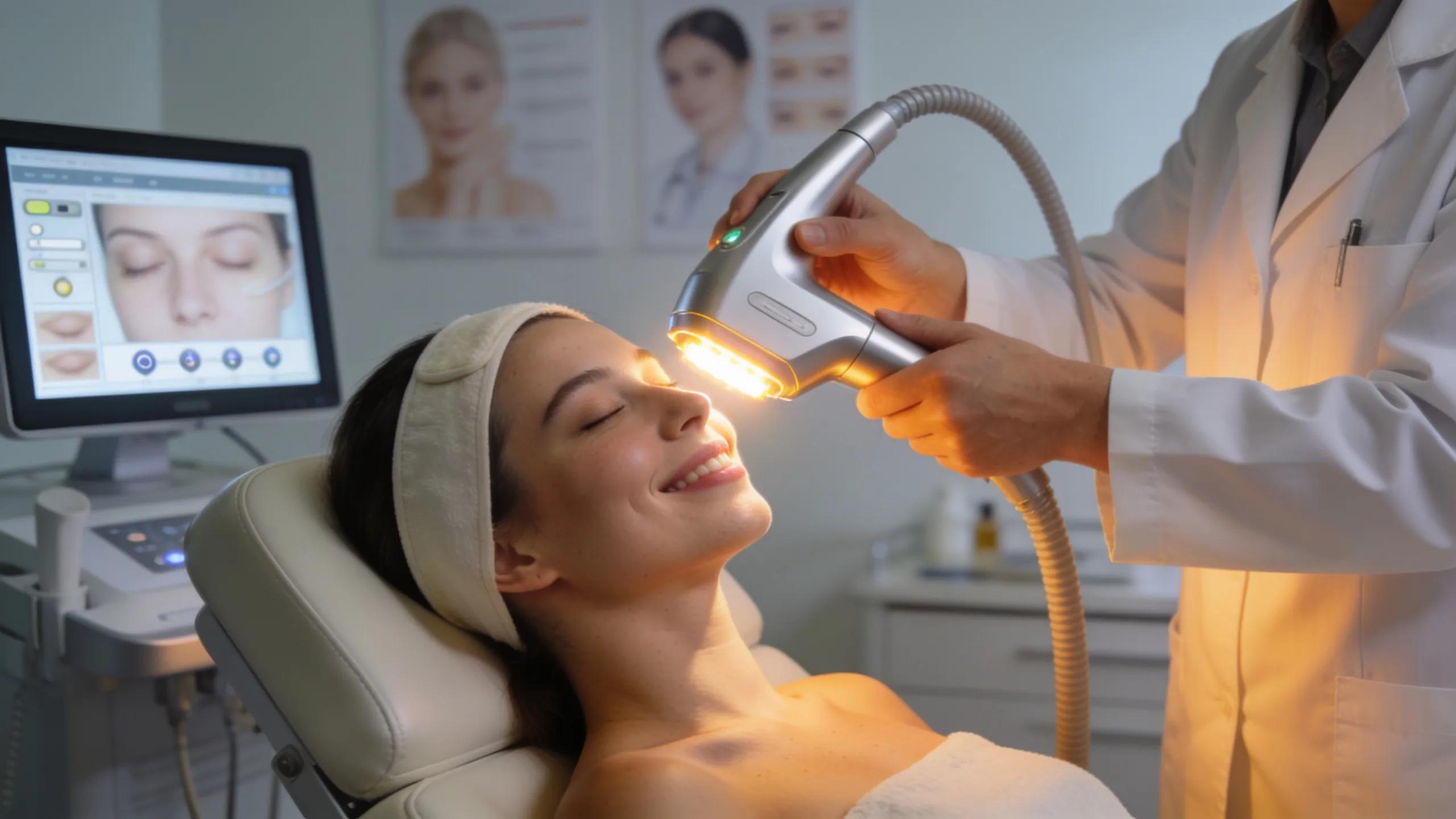
Photorejuvenation treatments, such as BroadBand Light (BBL) and Intense Pulsed Light (IPL), are popular for addressing various skin issues including hyperpigmentation. These therapies work by using light energy to target pigmented lesions and stimulate the skin's natural healing processes. Patients may start noticing a brighter complexion within days, depending upon their skin type and the specific issues being treated.
Typically, treatments last between 15 to 30 minutes, and multiple sessions are often recommended to achieve optimal results. Many patients report a gradual improvement in skin tone over a series of treatments, which can take several weeks. For anyone in Nashville seeking effective treatment options, consultation with a dermatological expert can help ensure the best personalized treatment plan.
Photodynamic Therapy (PDT)
Photodynamic therapy (PDT) is another option for managing hyperpigmentation, particularly effective on sun-damaged skin and certain types of non-melanoma skin cancers. The procedure involves the application of a photosensitizing agent followed by light activation. This dual approach works to destroy pigmented cells while promoting healthier skin cell growth.
After undergoing PDT, treated areas may initially become red and flaky, indicating the body's healing response. Patients can generally expect visible skin improvement within a few weeks post-treatment, but this varies significantly depending on individual skin conditions and the extent of pigmentation.
Laser Treatments (e.g., Lumecca, Aerolase)

Laser treatments, such as Lumecca and Aerolase, are known for their efficacy in targeting specific pigmentations with precision. Each type of laser technology has different treatment durations and expected outcomes. For example, Lumecca often shows significant results after just one to three sessions, making it a preferred choice among patients seeking quick improvements.
These advanced laser systems utilize high-intensity light, effectively breaking down pigmented areas. Most patients experience a notable reduction in pigmentation after a few treatments, typically spaced weeks apart, highlighting the importance of personalized treatment planning in dermatological care.
Further research indicates that early initiation of laser treatment can significantly enhance outcomes and mitigate potential risks associated with addressing certain skin conditions.
Early Laser Treatment for Nevus of Ota Improves Outcomes and Reduces Risks
In our patient cohort, initiation of laser treatment for nevus of Ota before the age of 5 years significantly improved therapeutic outcomes and reduced the risk of adverse events and recurrence. Early treatment initiation improves outcomes in nevus of Ota: a 10-year retrospective study, 2022
Chemical Peels
Chemical peels are quick in-office procedures designed to improve skin texture and reduce pigmentation. Depending on the type of peel used—from superficial to deep—patients can expect varied downtime and recovery phases. Many individuals notice continued improvement over several weeks as the skin heals and regenerates.
The downtime associated with chemical peels varies based on peel intensity, with superficial peels requiring little to no recovery time, while deeper peels may need longer for full recovery. This is a key consideration for patients aiming to minimize time away from daily activities.
General Insights
Successful management of hyperpigmentation often hinges on effective post-treatment care. Most modern treatments come with minimal downtime, but adhering to recommended sun protection measures is crucial to protect results and prevent future pigmentation issues. Many dermatologists emphasize that sun protection is essential not just post-treatment, but as an ongoing part of skin care routines to maintain results over time.
What Are the Primary Types of Hyperpigmentation Affecting Treatment Duration?
Hyperpigmentation is not a one-size-fits-all issue; it comes in various forms, each influencing treatment reactions and timelines differently. The primary categories include:
- Melasma: Often influenced by hormonal changes, melasma can be persistent and may require more prolonged treatment strategies.
- Sunspots (Solar Lentigines): Generally simpler to treat, these spots often respond quickly to photorejuvenation and chemical peels.
- Post-Inflammatory Hyperpigmentation: This type emerges after skin trauma or inflammation, such as acne. Treatment requires careful evaluation to tailor approaches appropriately.
How Do Melasma, Sunspots, and Post-Inflammatory Hyperpigmentation Differ?
Understanding these distinctions is critical for treatment planning. Melasma may necessitate a combination of treatments, including topical agents and laser procedures. In contrast, sunspots can show improvement with fewer sessions using light-based therapies. Post-inflammatory hyperpigmentation often responds well to chemical peels, particularly for those with darker skin types seeking even skin tone.
Which Type of Hyperpigmentation Responds Fastest to Treatment?
Sunspots typically respond fastest to treatment, with noticeable results achievable after just a few sessions of laser therapy or photorejuvenation. The precision of treatments targeting these spots can yield rapid and satisfying results, boosting patient confidence almost immediately.
Conversely, melasma and post-inflammatory hyperpigmentation may take longer to show significant improvements, often requiring a holistic approach involving various treatment modalities for optimal outcomes.
What Are the Leading Treatment Modalities for Hyperpigmentation and Their Mechanisms?
For effective results, several treatment options exist, each working through different mechanisms:
- Photorejuvenation: Utilizes light energy to break down pigmented cells while promoting overall skin rejuvenation.
- Laser Treatments: Targets specific pigmentation with minimal damage to surrounding tissues, leading to quicker and more precise results.
- Chemical Peels: Exfoliate the skin while encouraging new cell growth, suitable for various skin types and pigmentation issues.
Chemical peels, or chemoexfoliation, achieve improved skin appearance through controlled ablation using specific caustic agents, enabling tailored depth of treatment.
Chemical Peels: A Method for Targeted Cutaneous Ablation and Skin Improvement
Chemoexfoliation, also known as chemical peeling, is a method of targeted cutaneous ablation using specific caustic agents that allow for rapid, predictable, and uniform thickness of chemoablation to a desired cutaneous depth, ultimately resulting in an improved appearance of skin. A practical approach to chemical peels: a review of fundamentals and step-by-step algorithmic protocol for treatment, 2018
What Is the Expected Timeline to See Results from Chemical Peels, Laser Therapy, and Topical Agents?
Patients can expect varied timelines when seeking results from these treatments.
- Chemical Peels: Results can start appearing within a few days to weeks, with ongoing improvement for up to three months.
- Laser Therapy: Significant results may show after just one session in some cases, but optimal results often develop over several weeks as skin continues to heal.
- Topical Agents: Improvement timelines for topical agents typically range from 6 to 12 weeks, emphasizing the need for patient consistency in application.
How Long Does It Typically Take to Observe Improvement After Chemical Peel Treatment?
Following a chemical peel, most patients notice improvement within a week as the skin begins to heal. Continued improvement can occur for several weeks post-procedure, reflecting the skin's natural rejuvenation cycle.
When Do Patients Usually Notice Changes Following Laser Treatment for Hyperpigmentation?
Patients undergoing laser treatment for hyperpigmentation often report seeing changes shortly after treatment, typically within one to two weeks, with optimal results developing over 4-12 weeks, depending on treatment type and skin condition.
How Does Post-Treatment Care Influence the Speed and Quality of Hyperpigmentation Results?
Post-treatment care plays a pivotal role in ensuring the best outcomes. Following treatments, patients should adhere to prescribed skincare regimes, including moisturization and sun protection. This commitment not only speeds up healing but also enhances overall treatment effectiveness, maximizing visible results.
What Post-Procedure Care Practices Enhance Skin Healing and Pigmentation Reduction?
Key practices for promoting skin healing after treatment include:
- Gentle Cleansing: Avoid harsh scrubs or exfoliating products immediately following treatment.
- Moisturization: Keep the skin hydrated to promote healing and reduce the risk of irritation.
- Sun Protection: Essential to protect treated areas from UV rays which can exacerbate pigmentation issues.
How Does Maintenance Skincare Affect the Longevity of Treatment Outcomes?
To maintain the results achieved through various treatments, integrating maintenance skincare is crucial. Recommendations may include ongoing use of sunscreen, antioxidants, and other topical agents that help preserve clear skin.
What Are the Most Effective Combination Therapies and Their Impact on Result Timelines?
Regarding combination therapies, treatments such as combining laser therapy with chemical peels can expedite pigmentation reduction.
How Do Chemical Peels and Topical Agents Work Synergistically to Reduce Dark Spots Faster?
This synergy accelerates treatment outcomes. Chemical peels remove the upper layer of skin, allowing topical agents to penetrate deeper and deliver active ingredients that fade dark spots more effectively.
What Evidence Supports Laser and Maintenance Therapy Combinations for Durable Results?
Research supports that combining laser treatments with ongoing topicals results in long-term success in pigment reduction, particularly for stubborn types of hyperpigmentation. Continued patient education and follow-up treatments are vital in sustaining results.
Where Can Patients in Nashville Access Professional Hyperpigmentation Treatments with Verified Result Timelines?
For residents in Nashville seeking professional care for hyperpigmentation, specialized dermatological clinics offer tailored treatment options. Such facilities typically conduct thorough assessments to ensure personalized treatment plans aligned with patient goals.
What Makes Gold Skin Care Center a Leading Clinic for Timely Hyperpigmentation Outcomes in Nashville?
Gold Skin Care Center is renowned for its expertise in dermatological treatments, focusing on medical, cosmetic, and aesthetic care. Our team, led by specialists, ensures that treatment pathways are customized for efficacy and safety. The combination of advanced technology and personalized care makes us a trusted choice for those seeking clarity and confidence in their skin.
How to Schedule a Dermatological Consultation to Initiate Your Hyperpigmentation Treatment?
To begin your journey towards clearer skin, scheduling a consultation is simple. Prospective patients can call (615) 383-2400 to discuss specific concerns. Our experienced team can guide you through treatment options, providing clarity on expected result timelines tailored to your needs.
